
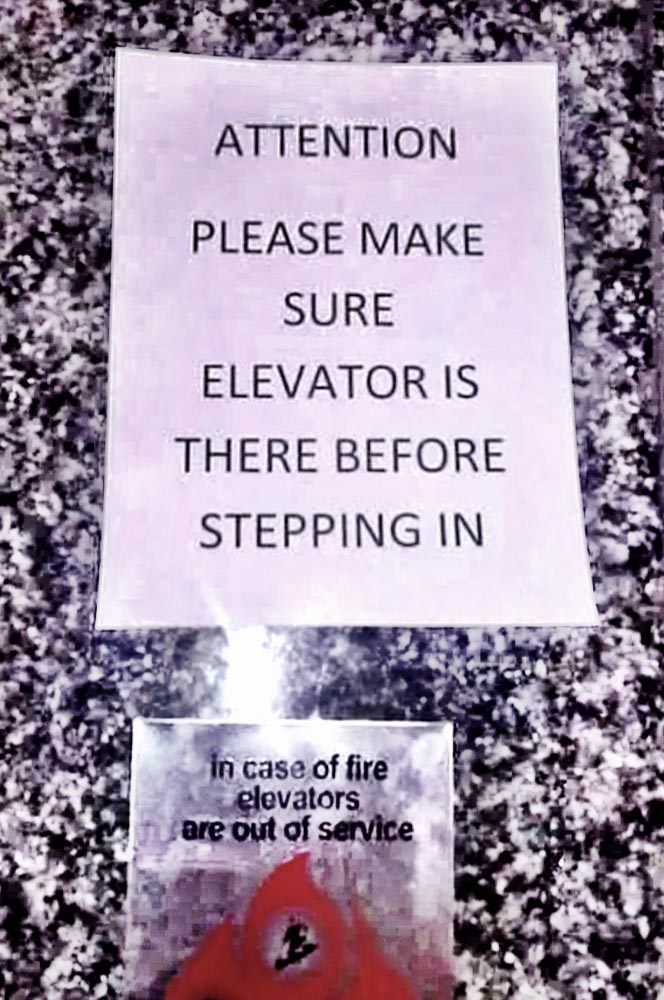
And a good question: what are you paying attention to—and why?
As brand people—idealists, founders, makers, strategists, writers, designers, customers and guests—we focus on how our experiencers are paying attention.
It’s interesting [as it always is, in my historical studies of language]
to think about what it means—attention.
Etymologist Phil Harper notes:
Late 14c., attencioun, “a giving heed, active direction of the mind upon some object or topic,” from Old French attencion and directly from Latin attentionem (nominative attentio) “attention, attentiveness,” noun of action from past-participle stem of attendere “give heed to,” literally “to stretch toward,” from ad “to, toward” (see ad-) + tendere “stretch” (from PIE root *ten– “to stretch”).
Rare in English before 17c. The meaning “consideration, observant care” is from 1741; that of “civility, courtesy” is from 1752. The meaning “power of mental concentration” is from 1871.
It is used with a remarkable diversity of verbs (pay, gather, attract, draw, call, etc.). As a military cautionary word before giving a command, it is attested from 1792. Attention span is from 1903 (earlier span of attention, 1892).
Why walk around etymology, as a source of inspiration? As a student of ancient languages, I was curious, studying, for example, Latin—where a word use originated, and how it came to us?
And more critically, what did it mean then, and what does it mean now.
For reference, you might consider it, as a brand-working person, in this alignment—oftentimes defined as “archaic”—this aligned word to attention: listen. While historically it reaches back to “hearken,” it’s also connected to lust, as in “to wish, desire—and the listening is about “leaning-in”, the “list”—an inclination. It’s a complicated art, tracing the lineage of words—explore more here.
Importantly, attention comes back to the detailing of foci—points of focus, that again begs the question, “what are you paying attention to?”
And, as a brand originator, or a brand worker, how do you get people to pay attention to you. It’s the spread, “what’s the story, who’s telling it, what’s it sound and feel like, what’s it look like”—and crucially, “who cares?”
In the detailing of our client work, it comes back in the reach-out.
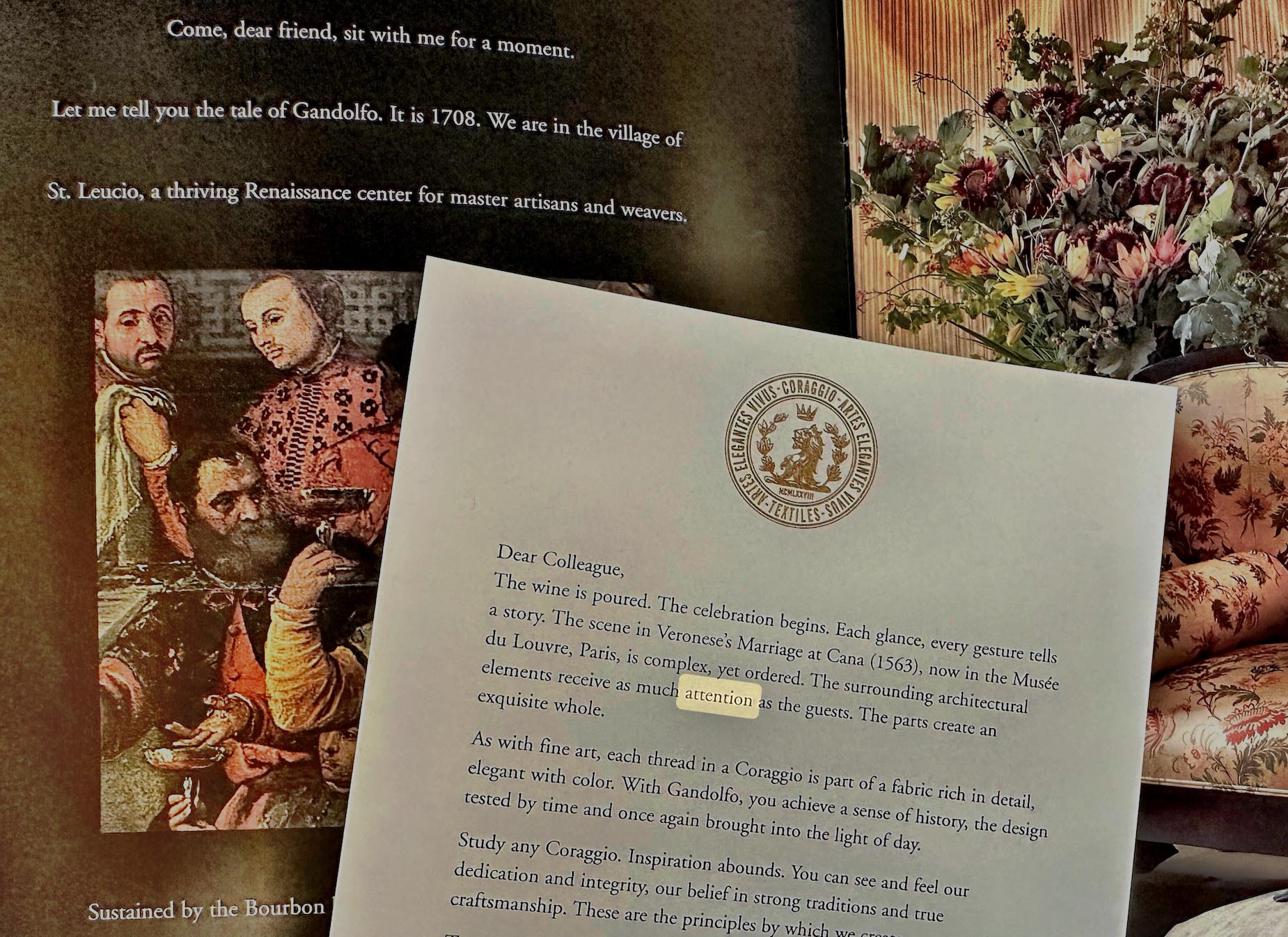
A letter from Coraggio—a luxury fabric pitch in a line of brand storytelling.
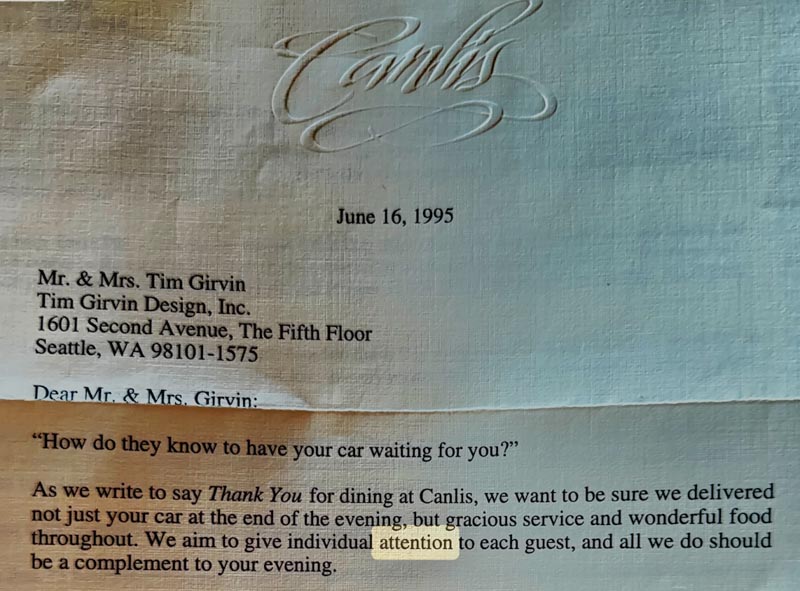
Or a thank you note from another client, esteemed restaurant, Seattle’s Canlis.
Details are important.
Friend and colleague Linda Stone, a fellow graduate of The Evergreen State College, is an expert observer on the details of attention, you can explore her work here. We’ve talked, shared, over the years since our college days—in fact, with legendary Lynda.com foundress, Lynda Weinman, also a client, we met again at the Evergreen State College at Lynda Weinmen’s media center there.
Of course, attention leads, well-applied, to holistic awareness. And for brand thinkers, 360º awareness lies in the array of how people experience designed environments. I took my daughter out to dinner, and I was studying how—at Flora, a Seattle vegetarian restaurant–the detailing of the guest journey as a layering of small details of attention touch-points, not only to the notion of textual content, but to the larger containment, the sphere of attuned attention—holistic focus.
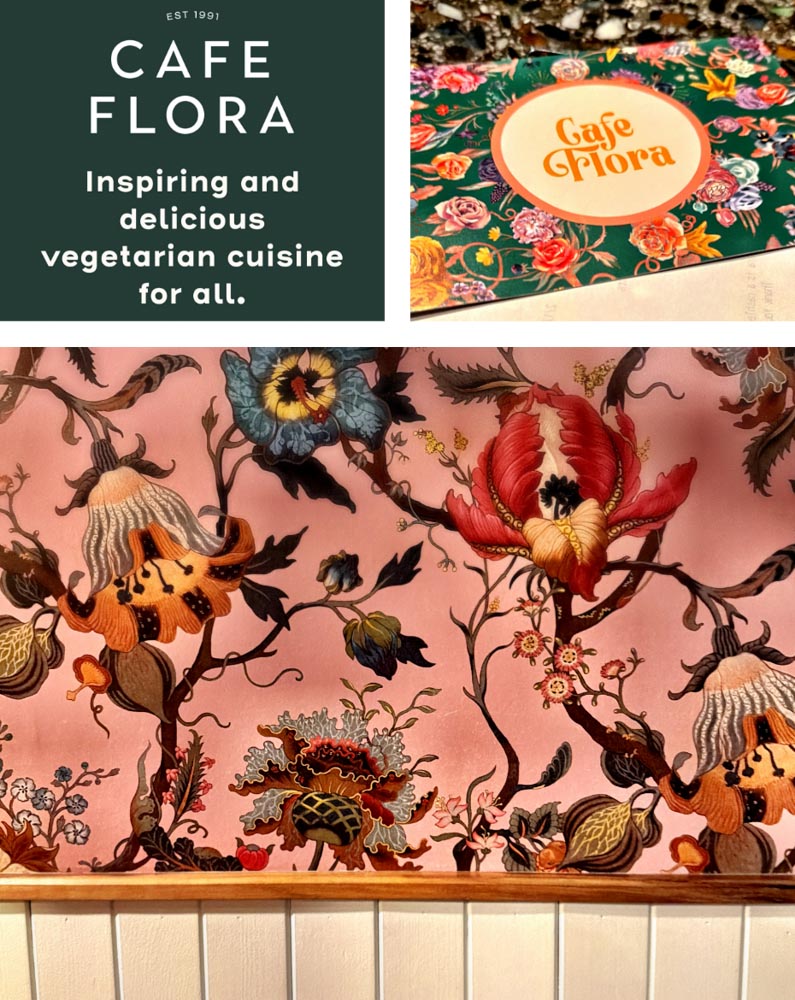 Cafe Flora Logo & Wallpaper
 Cafe Flora Interior
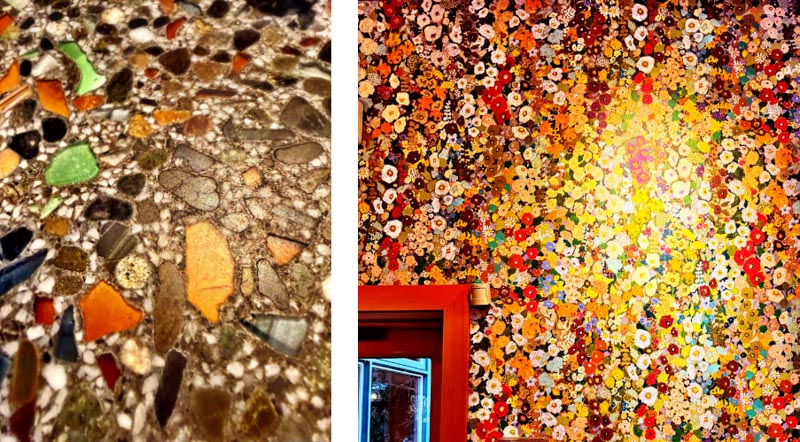 Cafe Flora Patterns
This imagery grouping below, a cluster, plays to the story of a curated brand journey—striking wallpapers, materiality—a customized and textural table terrazzo, a multi-3-man stone water fountain and a menu for super tasters.
Pay. Attention. What’s that mean, to “pay” attention. It’s like the question, “what do you mean?”
Which is, of course, “what do you remember.”
Tim
Co-create. Collaborate. Connect.
GIRVIN | Strategic Brands @ West Queen Anne Elementary School
Design for Hollywood | GIRVIN Digital | Built Environments by OSEAN
Follow Us:
Facebook LinkedIn Instagram Behance
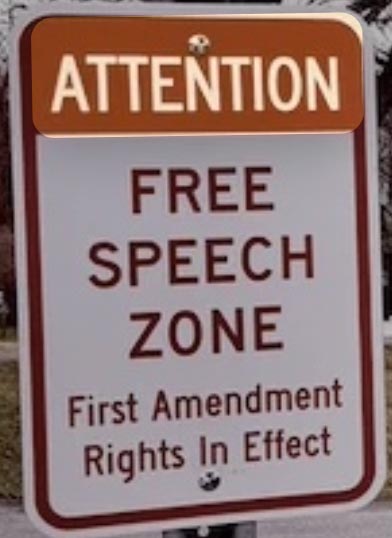
Quotes From A Smart Man
“In an age of distraction, nothing can feel more luxurious than paying attention.”
—Pico Iyer