
Tim Girvin’s Legacy in a Half Century in the Strategic Design of Hallucinogens
When I was in my first college, studying Marine Biology and comparative Zoology, as well as Medieval art history and cultural studies; psychedelic drugs were commonplace—and, at this particular school—rife with exceptionally brilliant students, on-campus chemistry labs enabled all types of hallucinogen production among the sophisticated. Literally, it was a class unto itself “organic chemistry.”
“I’m redesigning my mind with LSD.”
In a laboratory setting, I asked a familiar student, “what are you doing here, making this stuff?” And the reply was, “I’m redesigning my mind with acid.” Mostly, then, I was kind of appalled, as any “inexperienced” freshman might be, “wait, what..?”
From there, I moved onto the Evergreen State College, in Olympia WA, a college, back then, that focused on modules of independent learning, engaging in self-directed inquiry and exploration, under the guidance of select professors; I felt much more at home, connected and focused on studies in design and cultural history, paleography, type design and calligraphy, illustration and other arts. I never actually learned design per se, but made it up as an aesthetic theory as I went—there were no “graphic design” classes, so I created my own vision of what that realm could be, in my own interpretation. During that time, I met a young scholar, Jonathan Ott, who asked me to help him design, illustrate and create cover art for his books,
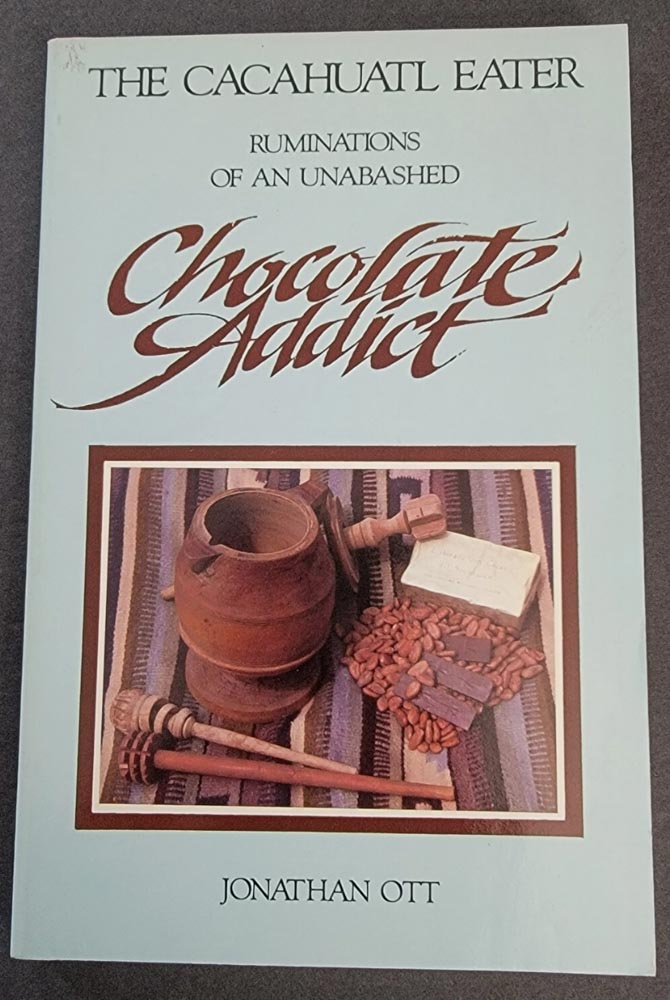
which were wrapped around the notion of “entheogens”—natural products for elevating consciousness—including psilocybin, peyote, ayahuasca, LSD, DMT and other mind-altering spiritual journey experiences.
Through collaborations with Jonathan Ott, Jeremy Bigwood, and others, our initial building of a hallucinogenic conference began at a park facility south of Olympia, we created a forum for scientific discussion and presentation by scholars from around the world.
This was the first in a string of conferences we created, and a successful gathering of ethnobotanists—authors, scholars and professors—ranging from Andrew Weil, formerly the chief wellness officer of Canyon Ranch and the founder of the Andrew Weil Center for Integrative Medicine at the University of Arizona, to Albert Hofmann, the discoverer of lysergic diethylamide [LSD,] a present colleague and friend, Paul Stamets—discussing cultivation and, most intriguing to me, Richard Evans Schultes—the originator of ethnobotany, a kind of Indiana Jones of aligning plant discovery with healing properties—found in his adventures exploring indigenous medicine in remote parts of the Amazon and Mexico, as a Harvard professor.
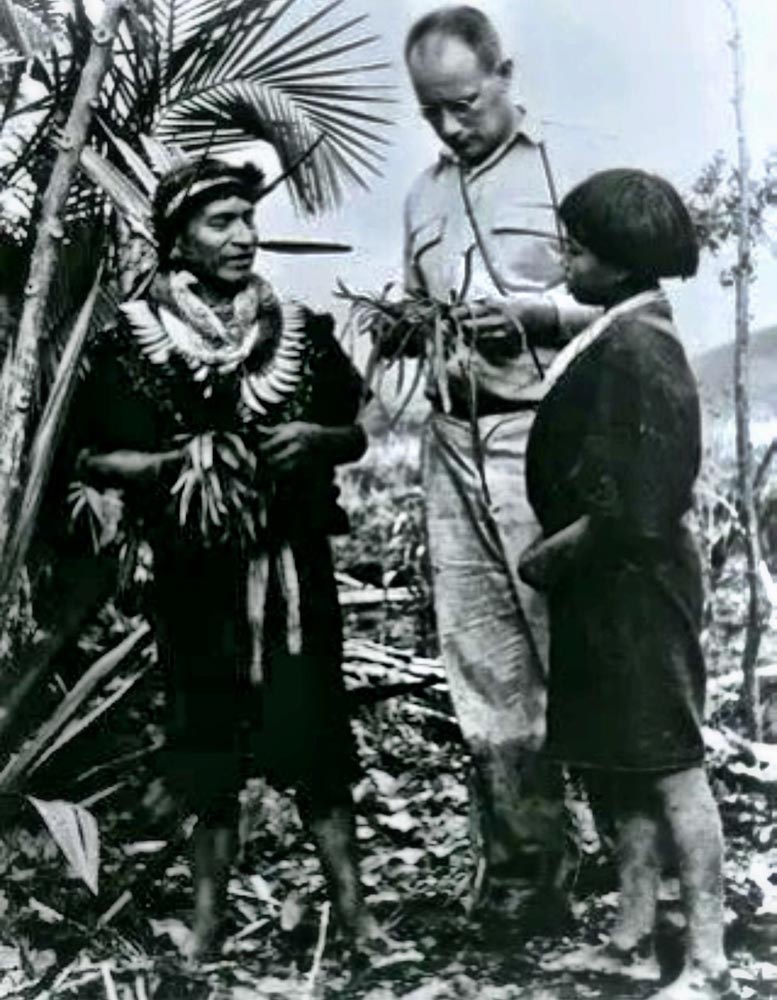
Richard Evans Schultes | Public Domain Image
Other conferences emerged at Fort Worden, Port Townsend, WA and more ambitiously, the Japan Center in San Francisco.
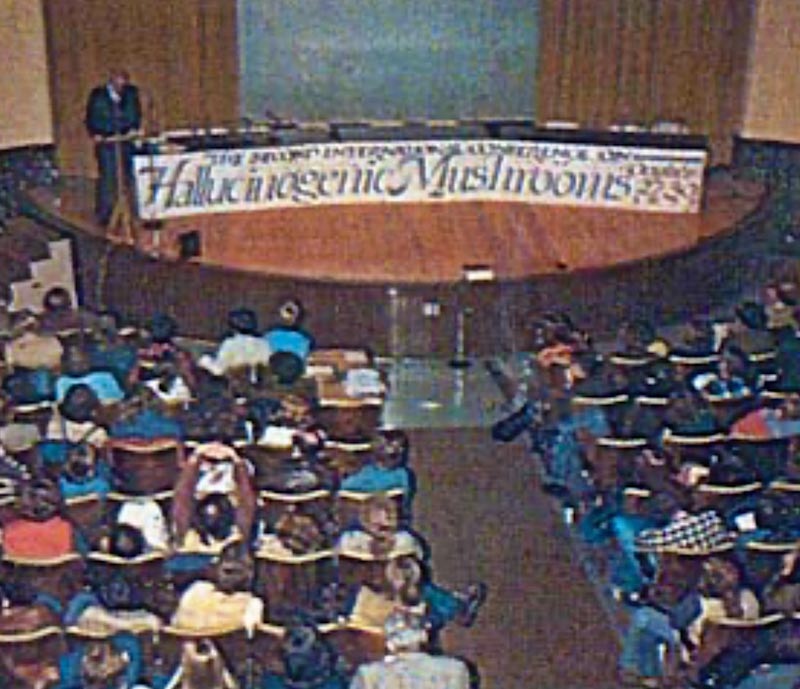
Image by Jeremy Bigwood, Used by permission
These were all internally-generated as a team of four of us, as events producers, including hand-crafted signage, as well as calligraphic, illustrated and printed take-aways, and we coordinated all the details, largely derived from the legendary R. Gordon Wasson’s early research into hallucinogens and mushrooms.
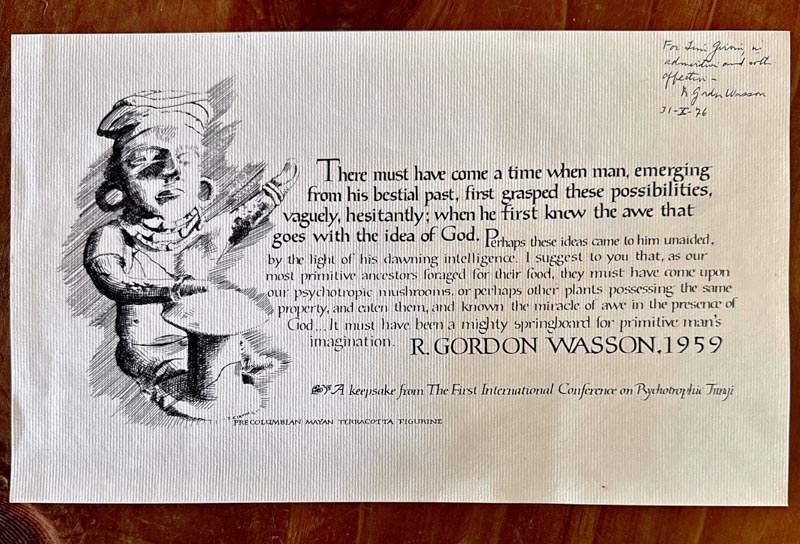
Many of my illustrations were commissioned by Wasson and now reside in the Tina and Gordon Wasson Ethnomycological Collection at Harvard. Wasson, like Schultes, were strikingly energetic and alert participants.
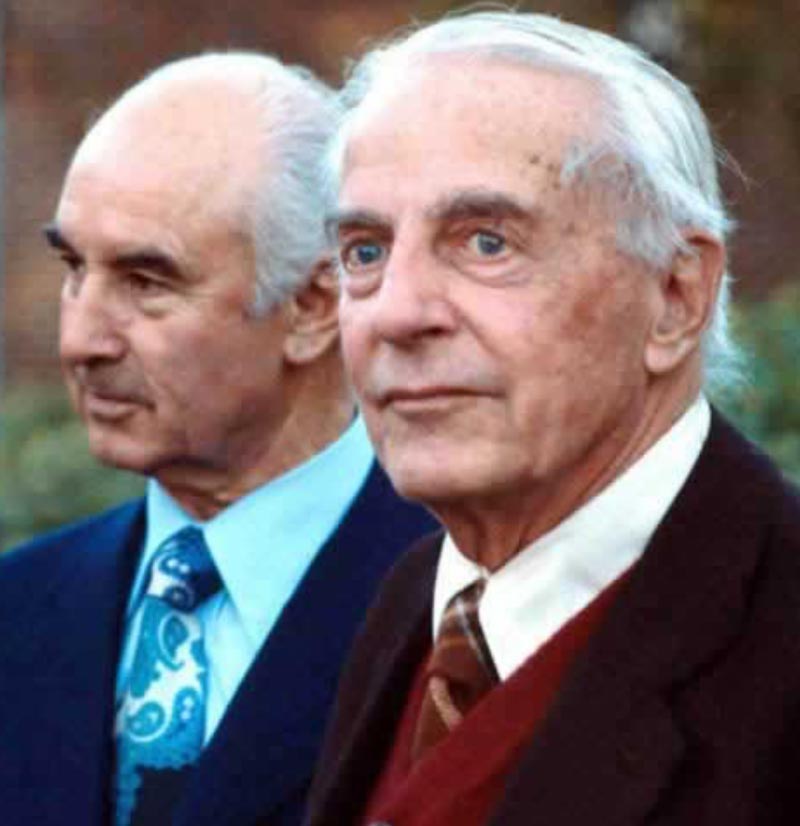
Albert Hofmann and R. Gordon Wasson | Photograph by Jeremy Bigwood, used by permission.
It’s an honor to have contributed to that collection—
as well as the creation of these events.
Mostly, I rendered these hand drawn exemplars,
including a signed notation from Wasson.
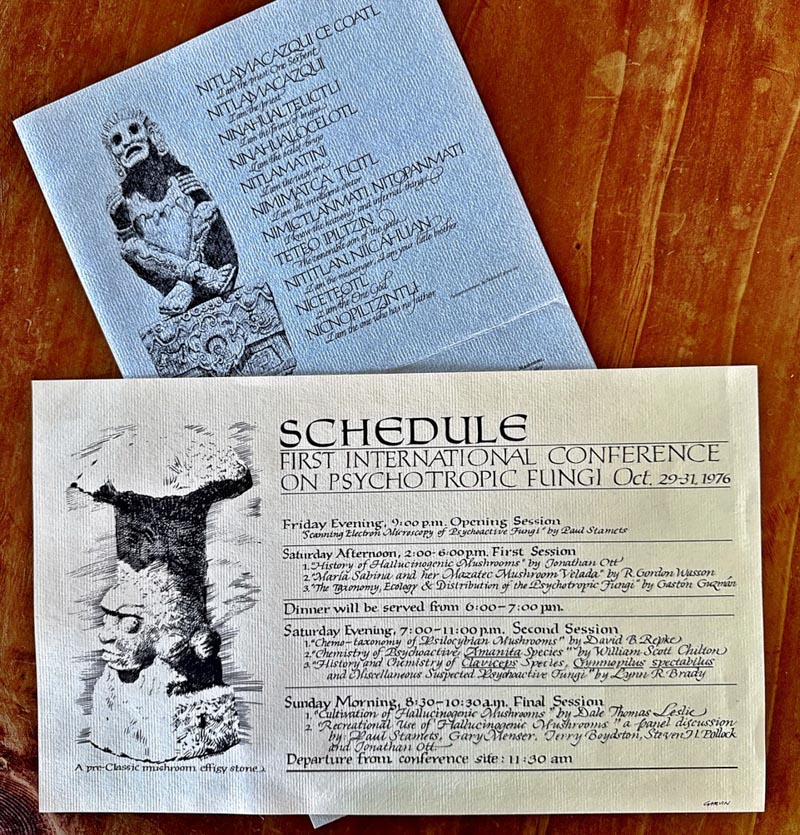
Other items from the events are below, from the collection of friend and GIRVIN client, PNW legendary mycologist, mycelial theorist and innovator, Paul Stamets, who—in 1976—was studying scanned electron microscopy and psychoactive fungi—and presented the keynote at the 1st event.
Wasson’s obituary in the San Francisco Chronicle stated that together with his wife and co-author, Valentina P. Wasson, he had “illuminated the sanctity of psychotropic mushrooms, not only in Russia and Siberia, but also in the most ancient of Hindu scriptures, in the mystery cults of ancient Greece and among the native peoples of Mexico and Guatemala, both ancient and modern.”

The Seal of Stamperia Valdonega
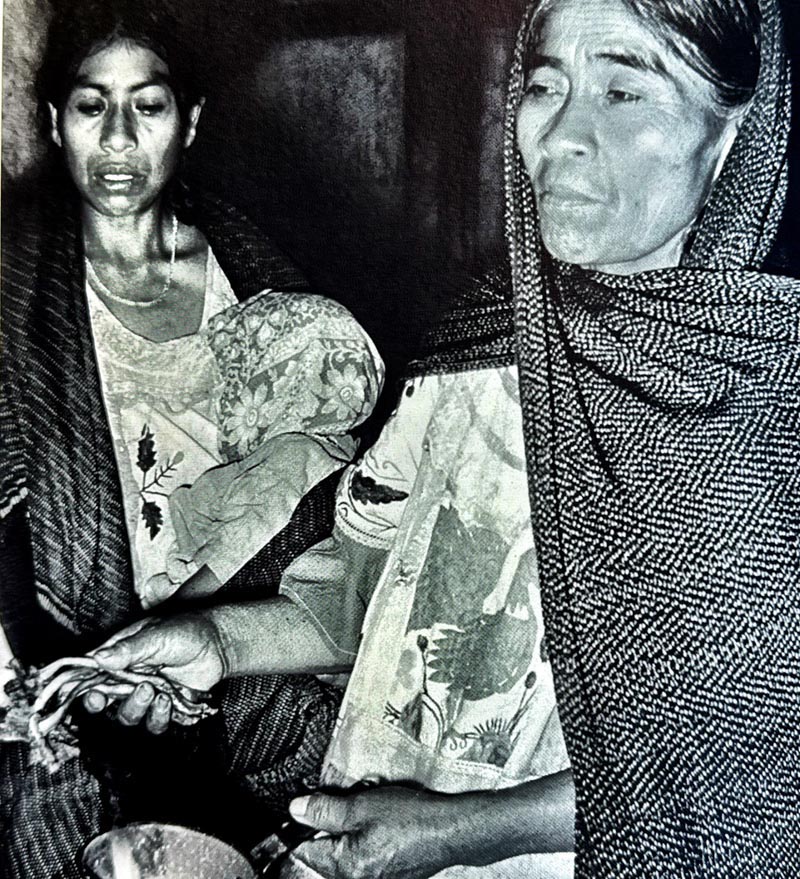
Wasson’s productions are exquisite—designed and produced by Stamperia Valdonega in Parma Italy, utilizing the typeface designed by founder Giovanni Mardersteig, also the originator of Officina Bodoni. It was Wasson who introduced the notion of hallucinogenic mushrooms in his experiences with Mazatec curandera a sabia-healer who used psilocybin mushrooms to transport her to a healing plane of experience for her patients—this story, regrettably for Maria and her community—was published in Life Magazine.
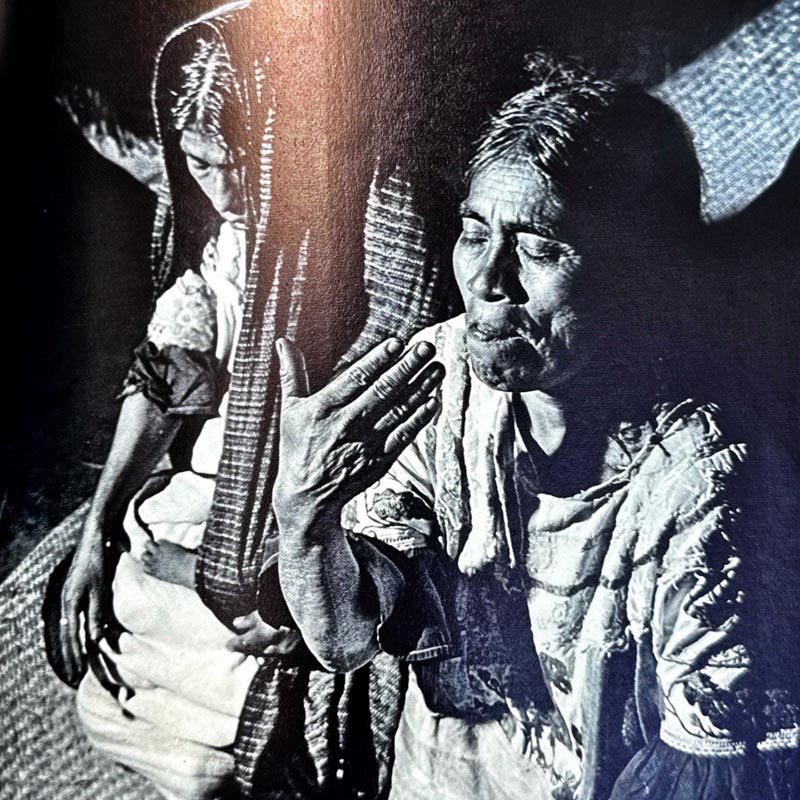
You can see her in her mystical evocation and healing journeys—in photographs from my personal copy of Wasson’s book, María Sabina.
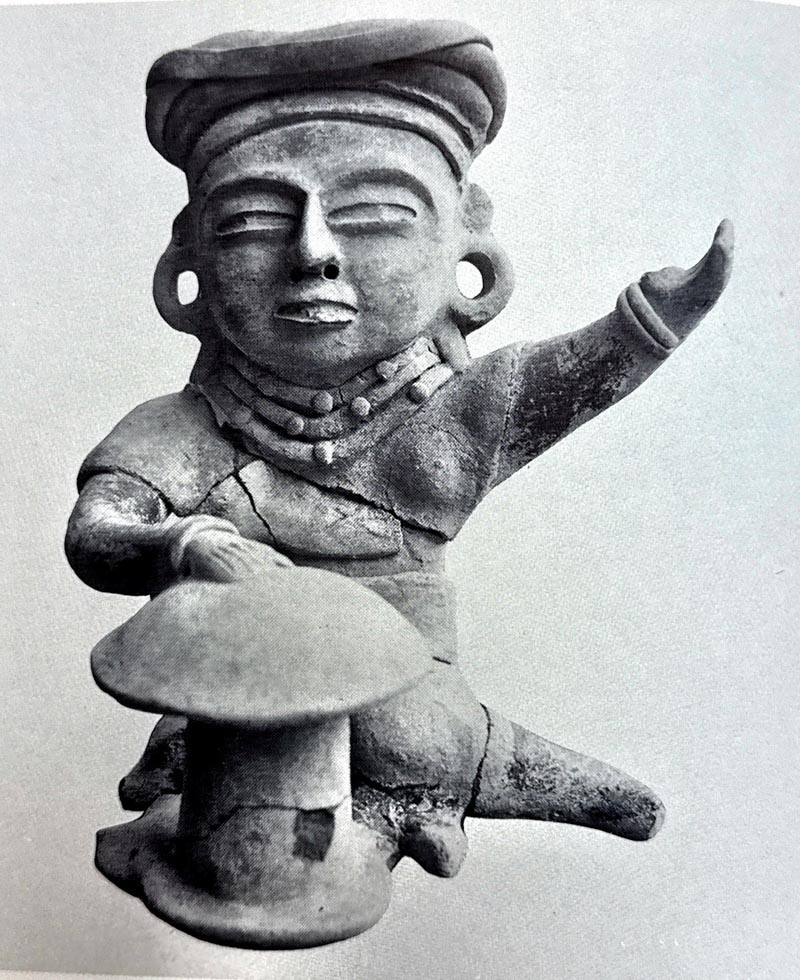
A Mesoamerican Mushroom Figure [given to me by R.G. Wasson for illustrative reference]
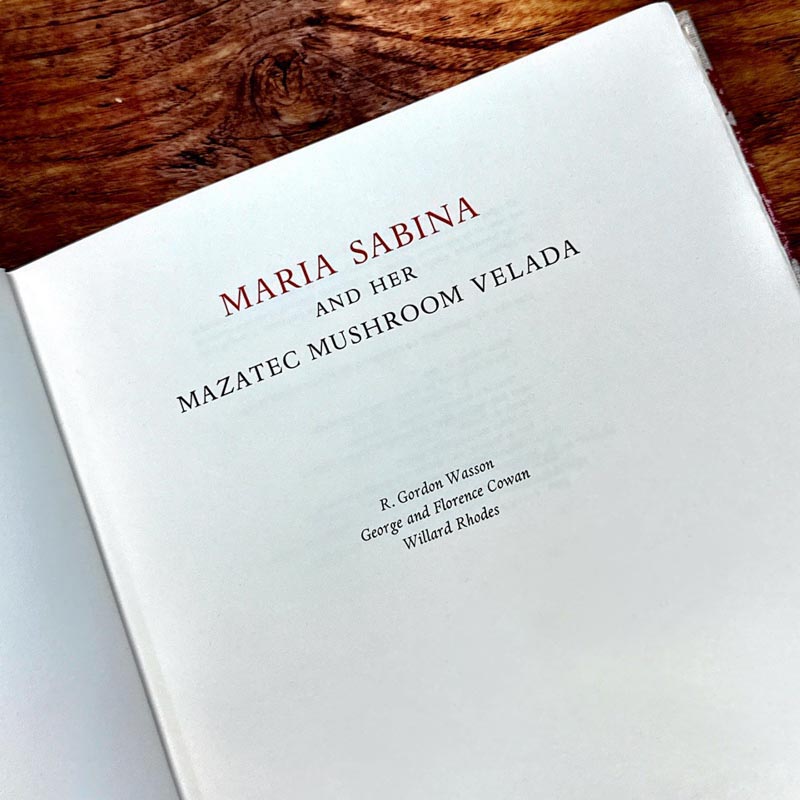
Mardersteig’s classical design evocations in
his book and font design for Wasson.
Back to our events—one research colleague for Wasson was Richard Evans Schultes, who I also spent time talking with.
It was in readings of his research, that I encountered the expositions of one of his most illustrious students—Wade Davis. He is a National Geographic Fellow, and the author of a thesis on the toxins of Haiti that could manifest the somnolent condition of the so-called zombie.
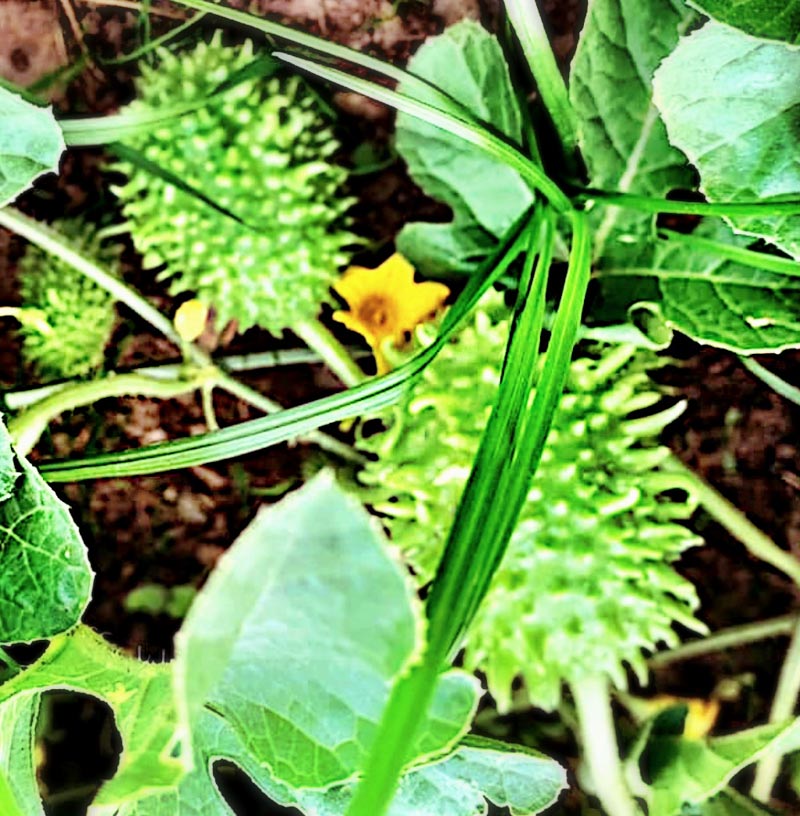
The Zombie Cucumber
As Wade discovered in his research—this was more aligned to a tetrodotoxin, a neurotoxin similar to Fugu— it wasn’t what he originally suspected—the concombre zombi, Zombie Cucumber—a psychoactive Datura plant extract.
In a sequence of synchrony, decades later, I was asked to work on the film, “The Serpent and the Rainbow.” Positioned as a horror film by director Wes Craven, the story loosely follows the narrative of Davis’s story. I drew this logo as a distressed font, with varying x-heights, from scratch—capturing an emotional tension and the underline scrawl designed to express the rasping cry of the “undead,” in crawl of time and the river of the doomed.
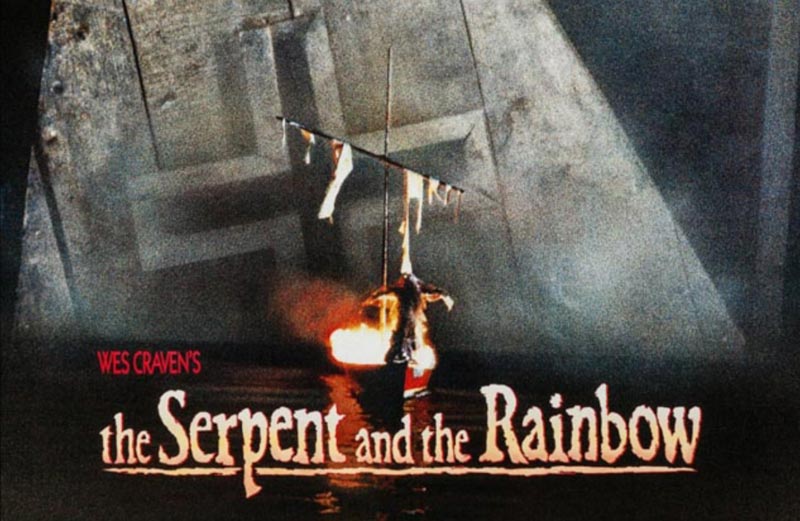
I later met Wade in NYC—talking about our work in brand storytelling, graphical narratives, his recent, historical literary explorations, and his work with National Geographic. And I later met his wife, Gail Percy, in Vancouver, BC.
In the journey from then to the now, we’ve continuously traveled the pathway of building campaigns for wellness, as well as health-related brands and experiential design programs. And more recently, a psilocybin-based clinical trial and treatment program for people experiencing end-of-life recognition and reconciliation, and as a return to values for those suffering from post traumatic stress disorders—particularly in the exhaustion-based fallout of the Covid pandemic.
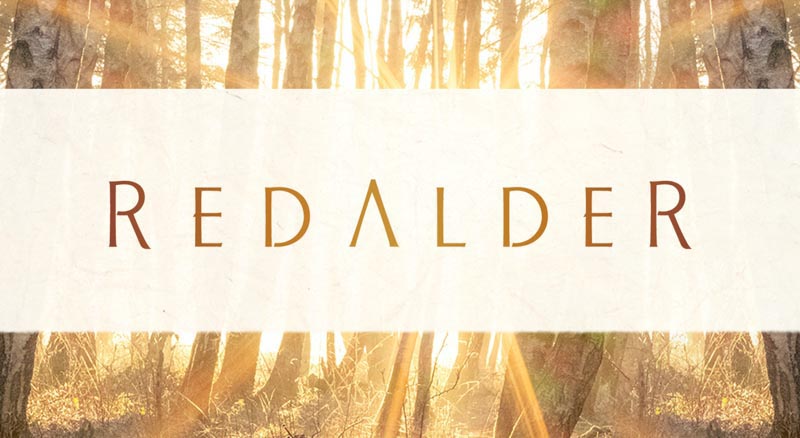
Our logo and brand visualizations in design treatment for Red Alder [so-named for the deciduous forest type that is home to Psilocybin mushrooms] was drawn as a customized san serif font that we built for the project; it is letter-spaced in a gradated palette, with a series of forest-related imagery, parallax and dissolve reveals as part of the digital media, as well as applications in interior design, built clinic environments, patterning and design systems.
Our brand journey development for creating community and guest engagement, storytelling wonder and healing, education leads to commitment, investment, commerce and embracement.
Our legacy, GIRVIN’s continuous storytelling for brand’s visualizations and messages, delivering results since 1973.
Onwards the journey.
Tim
––––––––––––––––––––
Girvin | Osean | Tim.Girvin | Wanderer
––––––––––––––––––––––––––––––––––––––––––––––
Follow Us:
Facebook LinkedIn Instagram Behance
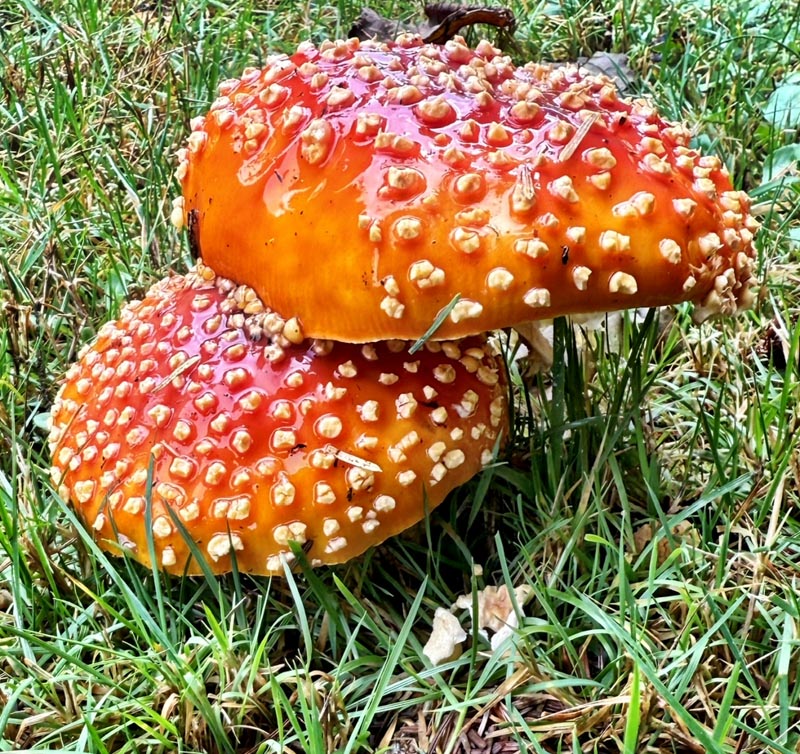
Amanita Muscaria from my neighborhood
Discover more from Girvin | Strategic Branding & Design
Subscribe to get the latest posts sent to your email.