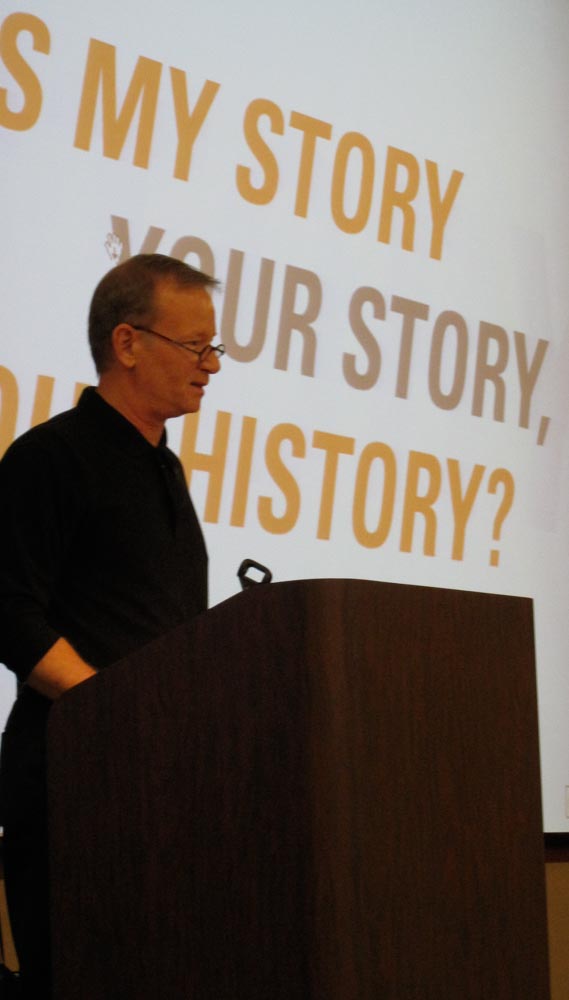
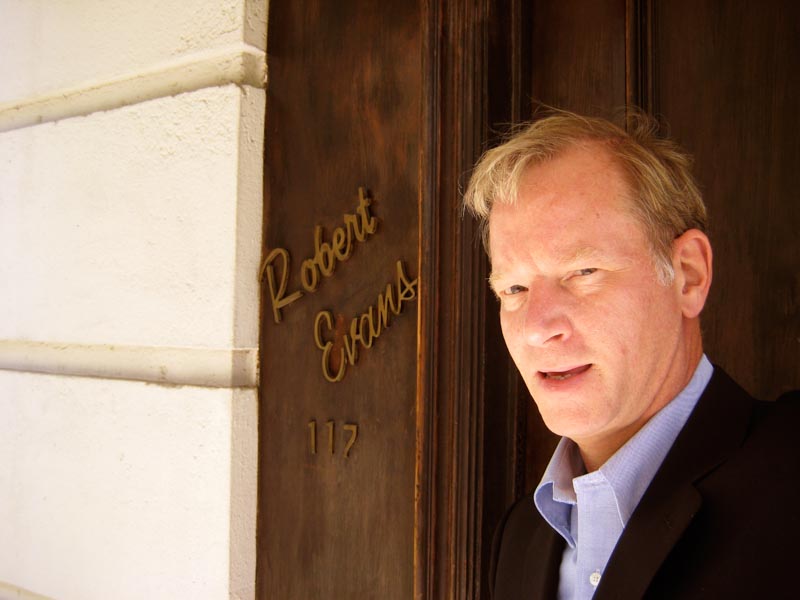
A walk-around hello, on the Lot, Summer, 2007
When I was working on the Paramount lot on Melrose—with the executive team in the theatrical advertising office—I frequently worked onsite in hand-drawing and tuning, improving logo art for various projects, including, for example, redrawing movie logos for Iron Man, Transformers, Star Trek, and Mission:Impossible treatments, as an on-the-lot typographical stylist. “I think that this logo could be better,” and Nancy would say—“OK, can you improve this logo?”
Yep.
I had some time and Lucia Ludovico, a Paramount Creative Directrix, and her boss, Nancy Goliger, as well as Arthur Cohen, lead executive—and fill the time, we’d talk, strategy, marketing backgrounders and integrated media deployments. If there was slack time, between meetings and discussion sessions, Lucia and Nancy would offer the open slots, sending me on introductory hellos—“you should go and introduce yourself, since they know your work,” that led to Eddie Murphy’s office,
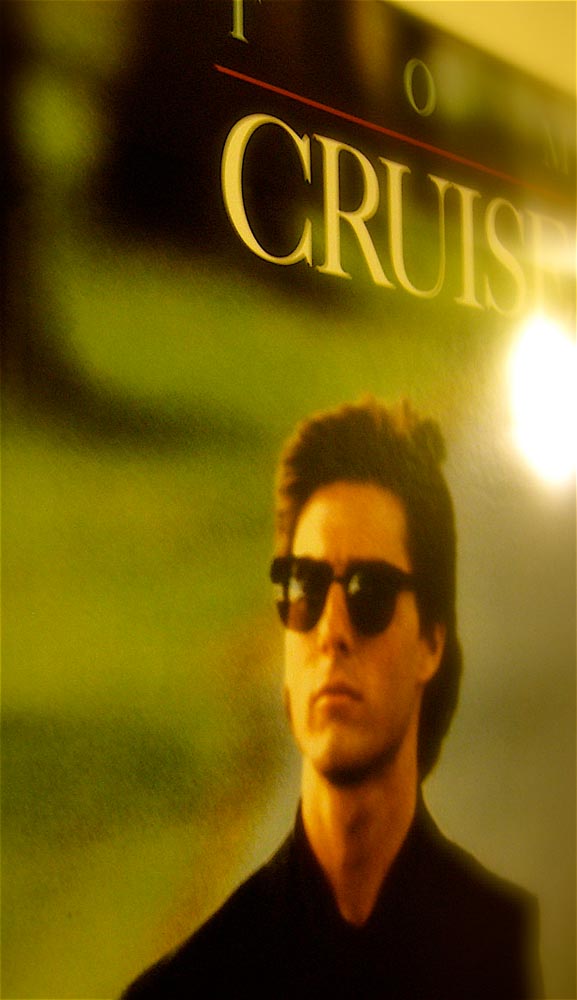
Sherry Lansing, Tom Cruise’s office with Paula Wagner at the Ball building, as well as Don Simpson and Jerry Bruckheimer’s offices and production teams—and, in this instance—Robert Evans.
I walked around the corner on the Lot, to his offices and Robert was sitting there, alone—I said, “Nancy Goliger sent me over here to introduce myself.” I explained my history with Paramount, the dozens of logos that I’d designed, and he said, “I wish that I’d known about your work earlier—have you worked on any of my films?” I regretted that no, I hadn’t. We talked about the idea of how a narrative could be expressed in a typographical treatment—for example, “the logo for ‘Chinatown’ captures a kind of noir impression of another, darker side to LA.” He said, “that’s right—interesting the way you put it.”
I referenced that, in my work, reading the story, listening to the director and production team, researching, if necessary, the “paleography” of the film’s period can lend a tighter, and more illustrative impression for the viewer. If that promotional strategy can be tied to assets for the film—like titling the lead-in to the film, all the better toward integrative impressions. And memorability.
And memorability would be uppermost priority in the holistic experience of the audience.
Marketing and story are interwoven in impression memory and carry-aways of viewership.
Here are some photographs that I shot on my introductory hello visit.
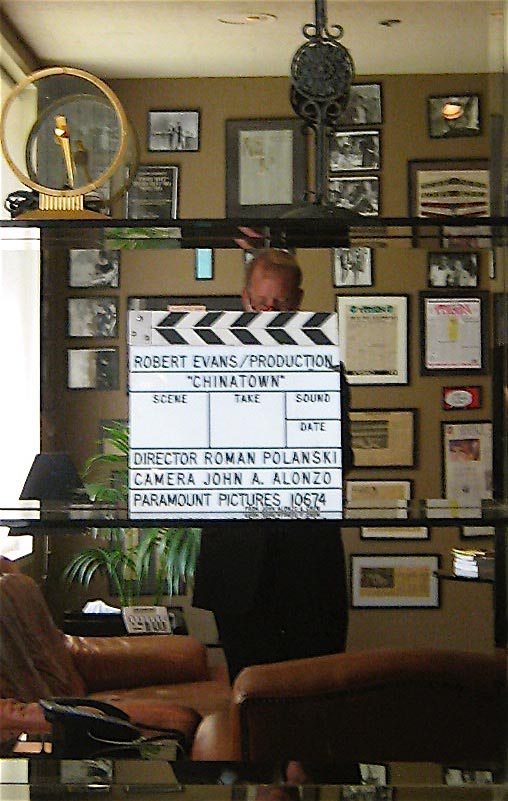
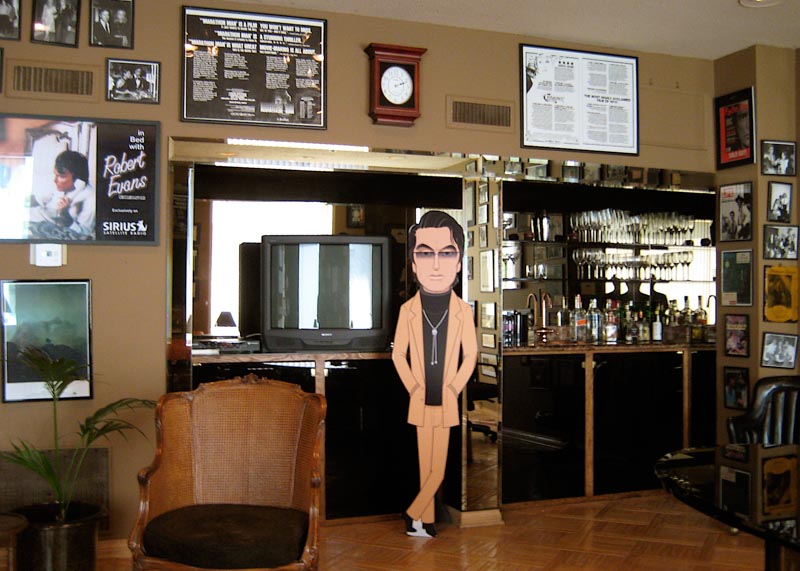
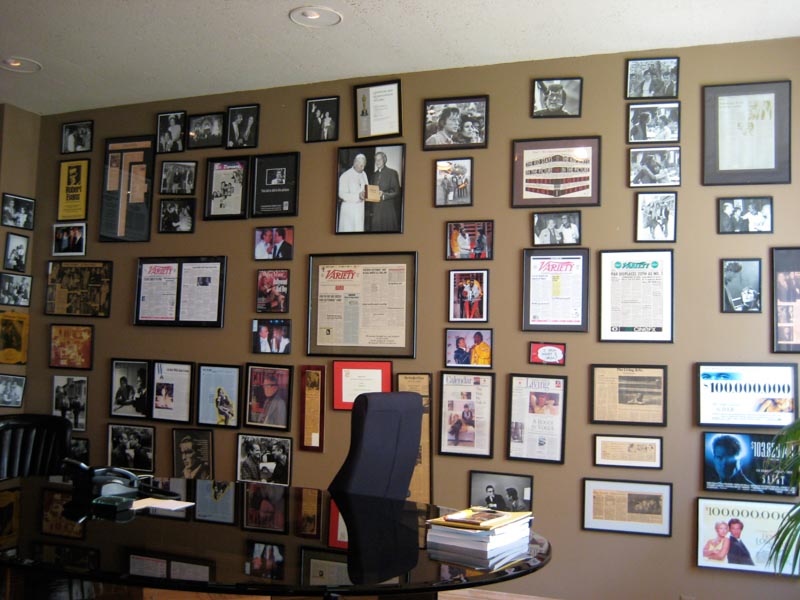
Reminds me, back when.
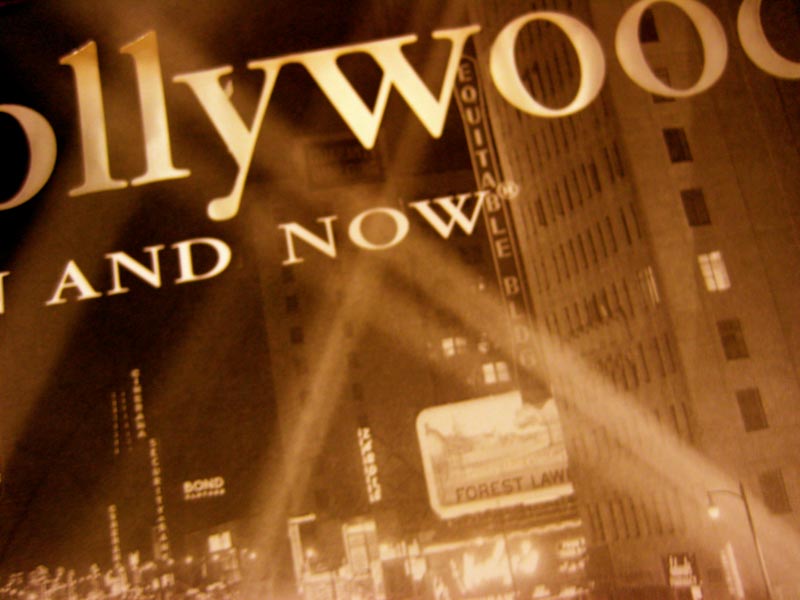
What story is there—beneath the story—behind the original telling, the first-out mythic narrative—that becomes legend.
And there, what came after, you learn from it, listening, leaning-in and forming the story that is your
take-away story, you were there, listened, and then there’s the new, the next—and that is you.
More on Robert Evans, a recent commentary that reminded me of that conversation.
Here’s Robert’s book, a memoir.
Wild times.
Tim | West Queen Anne Hill,
the Elementary School
Collaborate
Design for Hollywood | GIRVIN Digital
Technology | Destination Brands | Wellness
––––––––––––––––––––––––––––––––––
We build brand stories.
Follow Us:
Facebook LinkedIn Instagram Behance