
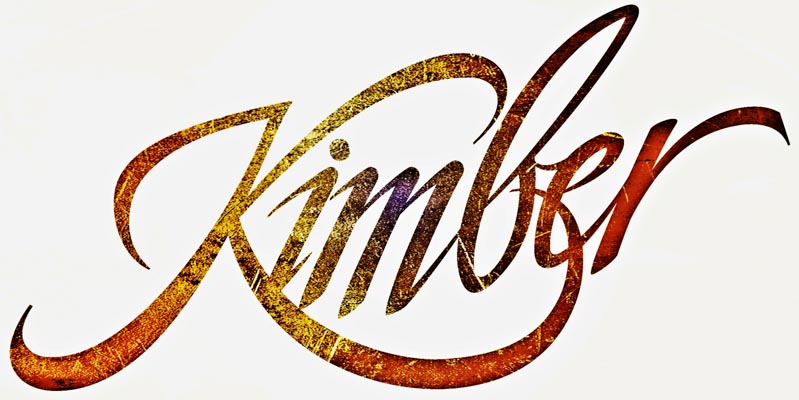
Classical lettercraft meets a precision draft, engraved in steel.
In the spring cleaning of our moves to GIRVIN’s 16th office location, in the West Queen Anne Elementary School, in Seattle I was sorting through a grouping of files—like a large grouping, dozens of boxes, let’s say—30’ of files, stacked, ,a 3-story high building’s worth [at the least.] and I found dozens of files, hundreds of projects—
and I, weirdly, remembered them all.
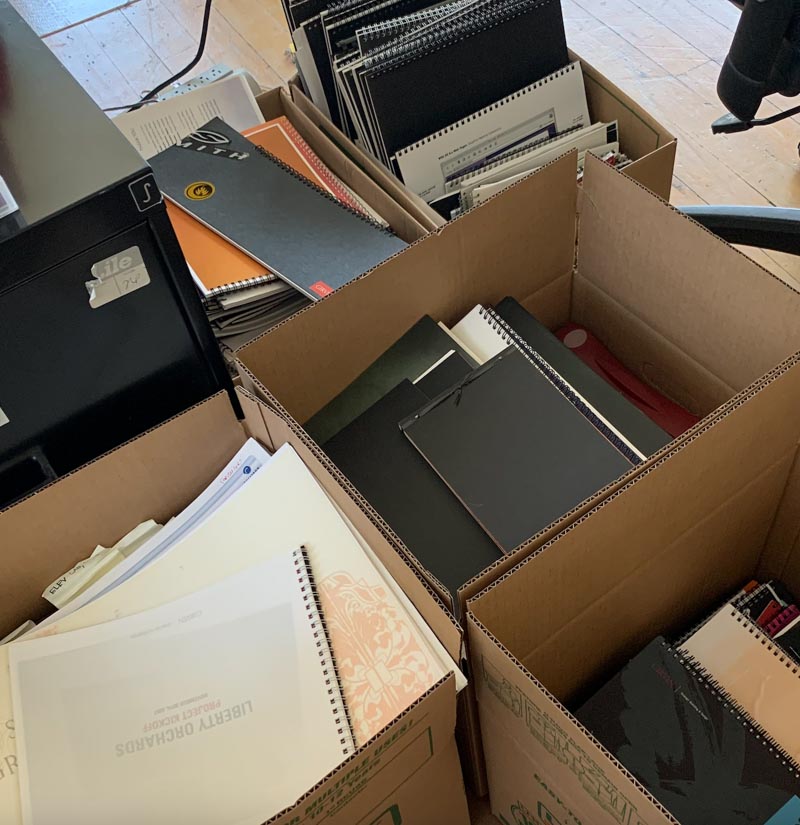
There was one that popped out, in this process of recycling—a file entitled Kimber,
with art from the 70s.
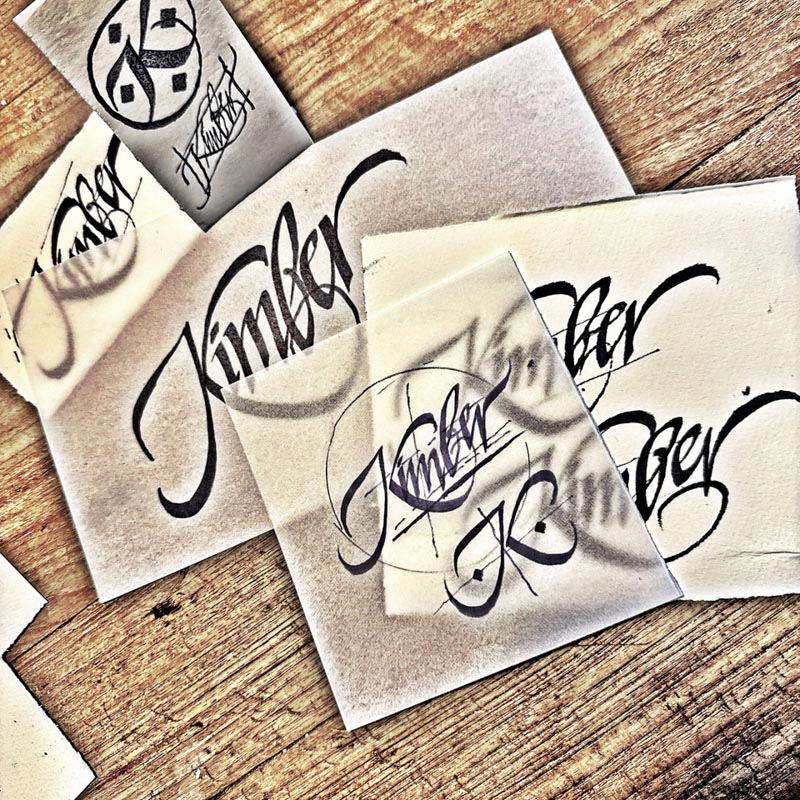
This was drawn, originally, for Kimber of Oregon, particularly—back then—as a logo for a custom-crafted Brownell spotting scope, one in a string of binocular and hunter’s scope-related lensing apparatus sold at Kimber.
But the specifics related to precision, expert design coupled with industrial machining and handcrafted detailing. I recognized the letterart immediately. It was drawn originally on Japanese washi, mulberry-based handmade paper. I evolved the art in a string of refinements moving to other stocks and sketches. My intention was to create a signature with the spirit of handcrafted precision, a bounce and cadence to the letters, engraved as a script on exceptional hunting gear.
I was reminded in seeing some decals on various vehicles, and a hat—
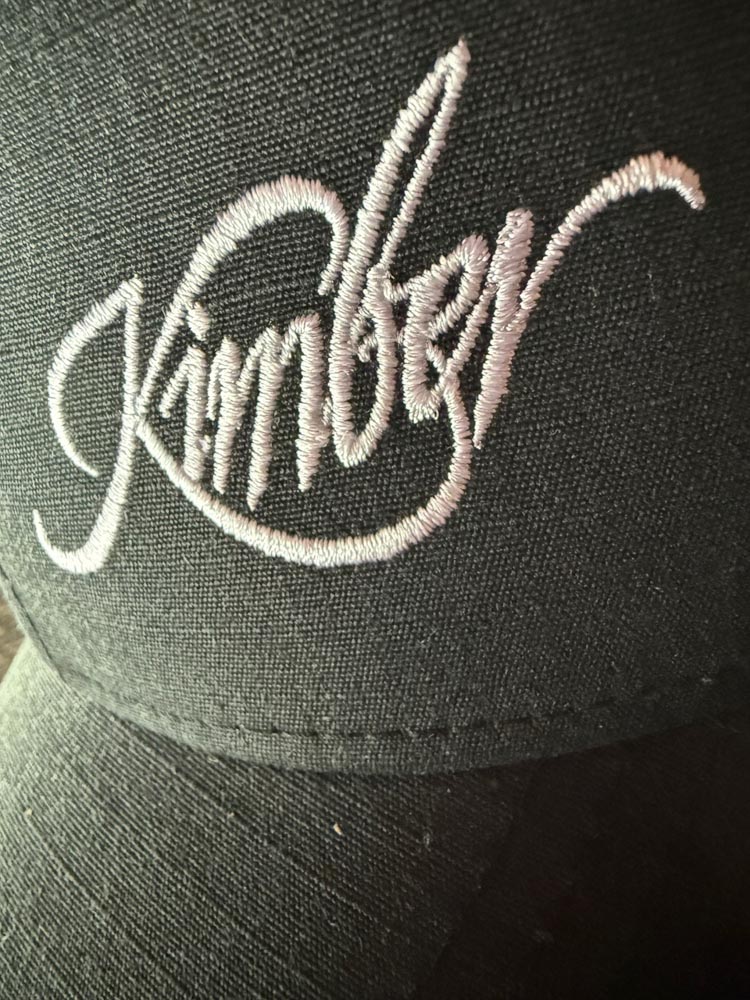
and, “I remember that.”
And the question from local, more rural friends, “Kimber, that’s awesome—you’re carrying?”
“Me? What? No, I don’t carry.” But I recognized the styling, “I remember that,” and here it is, emerging after so many years.
So I visited a purveyor—who said, “I only have one, they’re pricey—
and too expensive for my community of buyers.
The thing about this type of work—this product type, guns—is the legacy of craft and high precision that is required in the build-out of the final product. And then, the engraving.
According to Wikipedia’s backgrounder, Kimber started in Oregon as
“Kimber of Oregon” in 1979 by Jack Warne and his son Greg Warne in the small town of Clackamas, Oregon. An Australian, Jack Warne founded the Australian firearms manufacturer, Sporting Arms or Sportco, in Adelaide, South Australia, following World War II.
Following its founding, Kimber of Oregon quickly built a reputation for accurate .22 long rifle caliber rifles. Subsequently, it began to expand its product line and eventually acquired a second manufacturing plant in nearby Colton. Jack Warne acquired the Brownell quick-detachable rifle scope mounting system for Kimber.
In the late 1980s, the company began to struggle after a private stock offering fell short of covering the costs of developing the M89 BG (Big Game) Rifle. In 1989, Kimber of Oregon was sold to Oregon timber baron Bruce Engel, who founded WTD Industries, Inc. Engel had difficulty running Kimber and soon the company sought bankruptcy protection.
Now engraved as a signature.
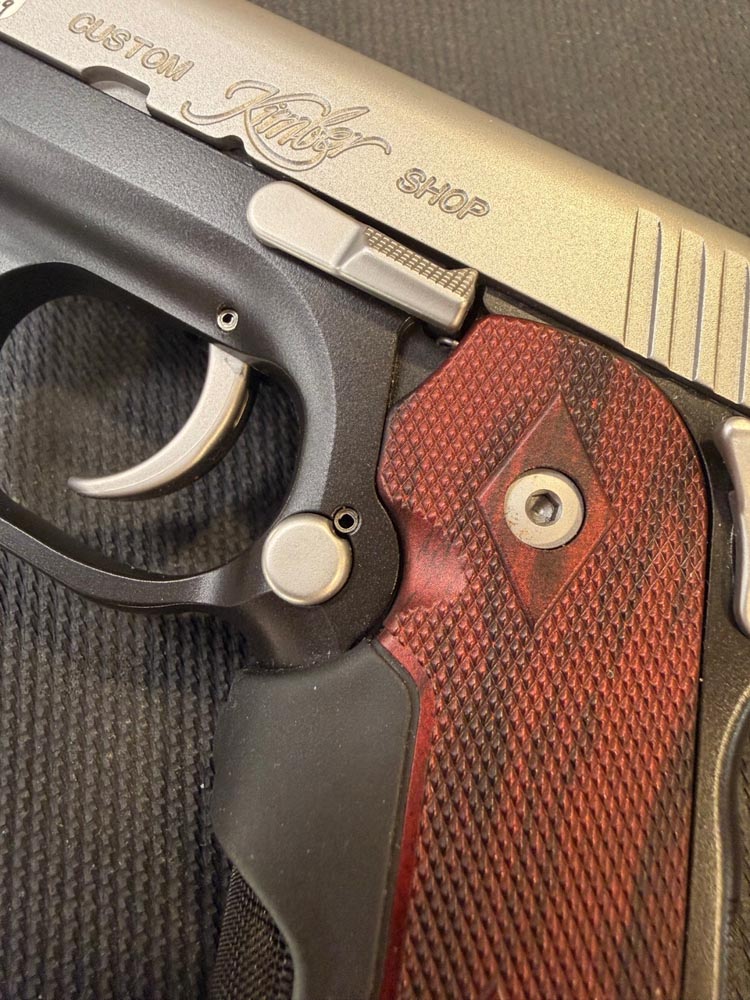
If you’re a weapon aficionado, you can explore more here—Kimber’s operations have moved from Yonkers, NY—
to its corporate headquarters in Troy, Alabama.
Speaking of guns, and signatures, it recalls another assignment, and a call from theatrical advertising legend Tony Seiniger, who said—“Tim, I know you’re working with us on Kevin Costner’s film Wyatt Earp—and we’d like to develop a signature treatment for the film. Actually, it’s Kevin’s suggestion. Our research shows that Earp had a distinctive signature, his signature, and that it was rumored to be engraved on his pistol.
I researched his autograph,
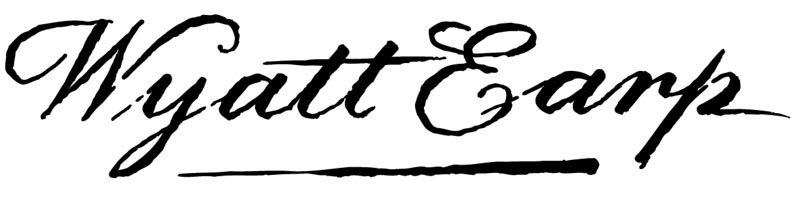
and redrew it, emulating the rough style, as a logo for the film.
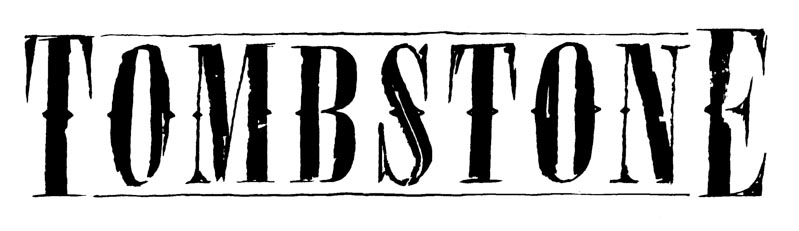
The legendary pistol is a little bit of a mythical object—sold multiple times at auction—and, in most cases, there are questions on the veracity of the article. GIRVIN also designed the theatrical branding for Tombstone—another portrayal of Wyatt Earp’s narrative—this time with Kurt Russell’s acting.
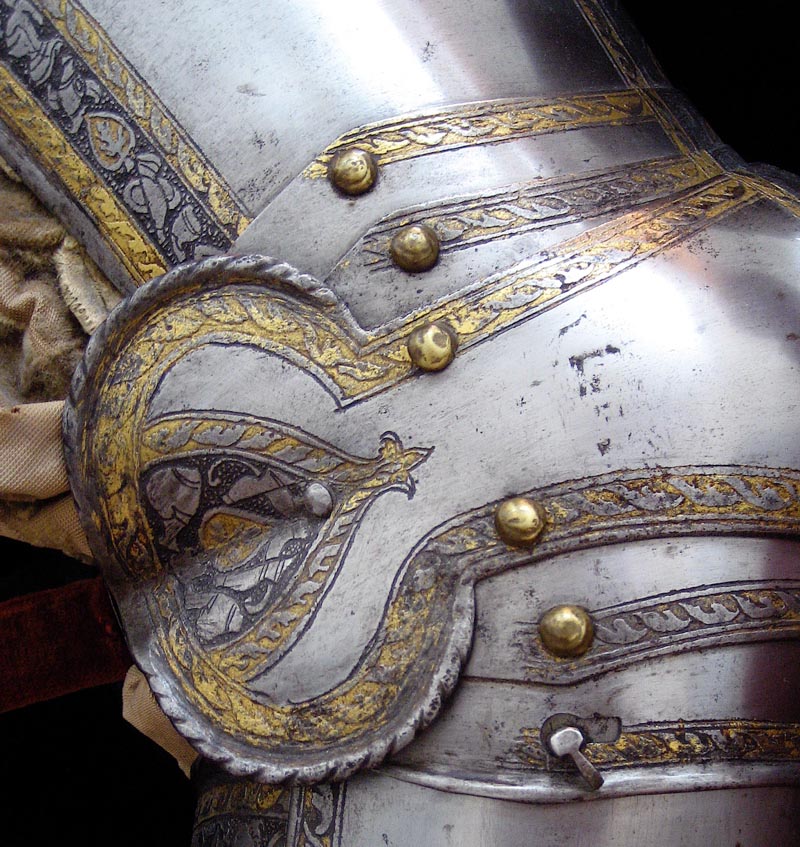
When we worked on the theatrical identity for Iron Man,
I went to the Metropolitan Museum of Art to study the art of armor,
also an engraved set of “protective” objects.
Tim | GIRVIN | Queen Anne Hill, Seattle
Co-create. Collaborate. Connect.
GIRVIN | Strategic Brands
Follow Us:
Facebook LinkedIn Instagram Behance
digital: girvin.com
built environments: oseanstudios.com